01What results have commercial swine integrators achieved with automated truck washout hubs?
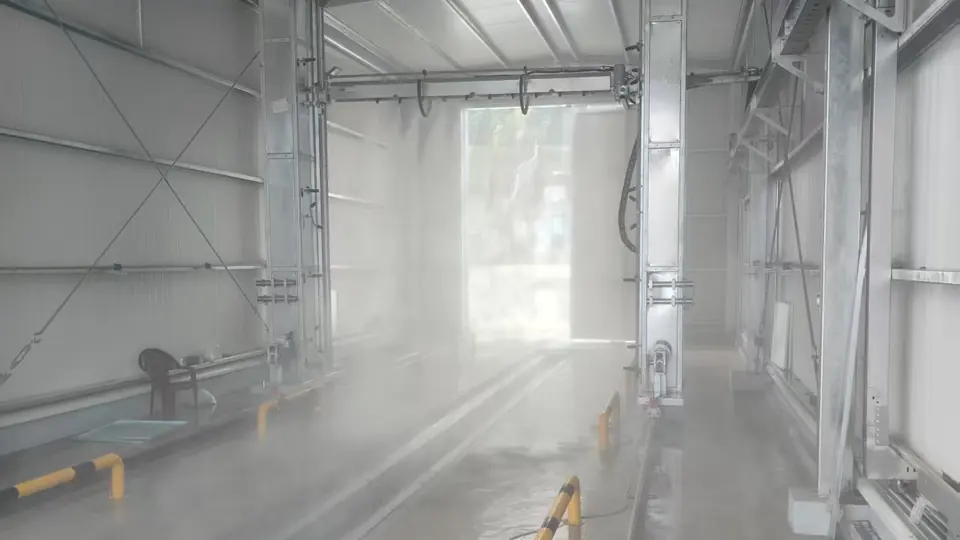
In a multi-site commercial swine deployment across three sites in Vietnam, replacing manual washout lancing with BioFortis overhead telescopic interior arms, 20 MPa touchless gantries, and centralized dosing rooms standardized sanitation across shifts while cutting per-truck turnaround time by over 50%.
02How do 700–800 kW thermal drying rooms perform under 85–95% tropical ambient humidity?
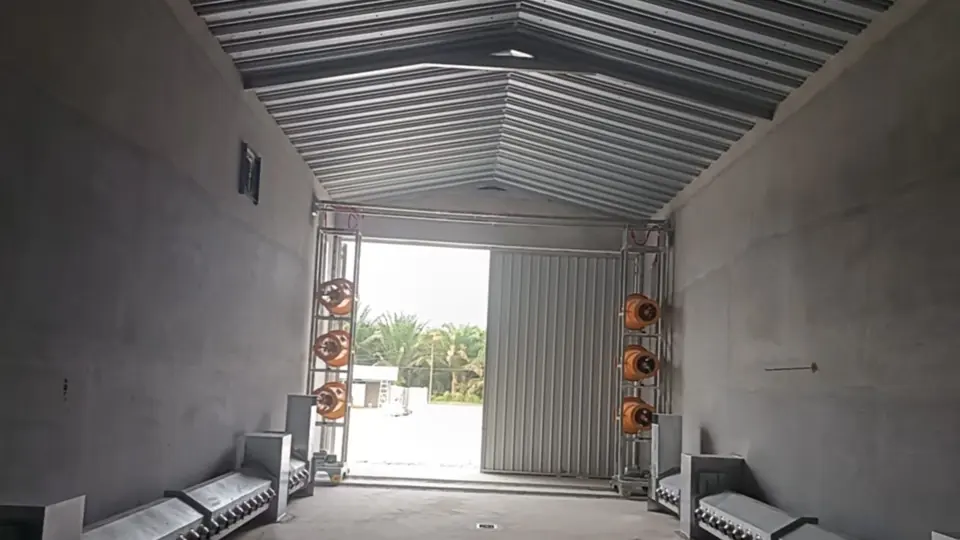
Field-proven across four consecutive installations in Perak, Malaysia, BioFortis 700–800 kW drying chambers pair dual-side high-temperature circulation fan towers with floor-level differential manifolds and high-volume moisture exhaust dampers—achieving repeatable full-trailer drying and target holding temperature curves year-round despite monsoon humidity.
03How is client confidentiality protected in commercial livestock biosecurity case studies?
Biosecurity locations and customer identities are sensitive operational assets. BioFortis removes farm names, license plates, corporate logos, and GPS metadata from all published field photography—referencing partners strictly by anonymized region and production profile unless explicit written client publication authorization applies.
04What commissioning timelines apply to multi-site swine biosecurity rollouts?
Standard fabrication runs 25 to 45 days depending on customization, while civil concrete aprons and trench drains proceed simultaneously from our 5-day CAD package. Field mechanical setup, PLC calibration, bilingual operator SOP training, and handover typically complete within one to two weeks per hub.
05What real site evidence confirms central dosing rooms and telescopic washers survive daily duty?
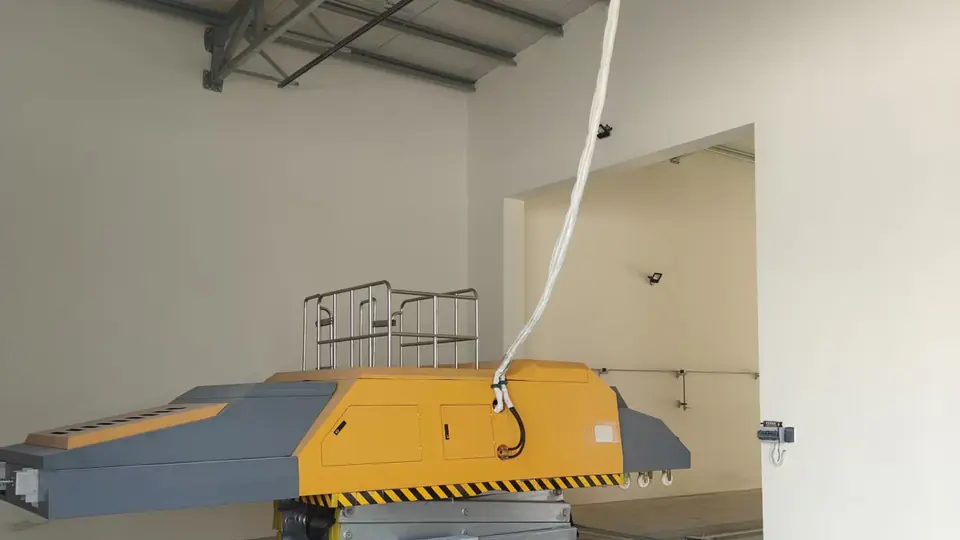
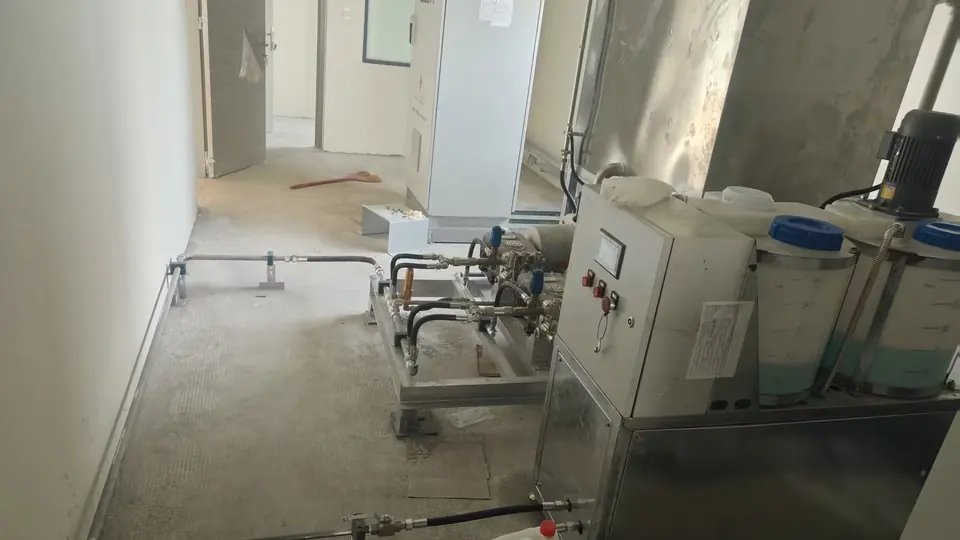
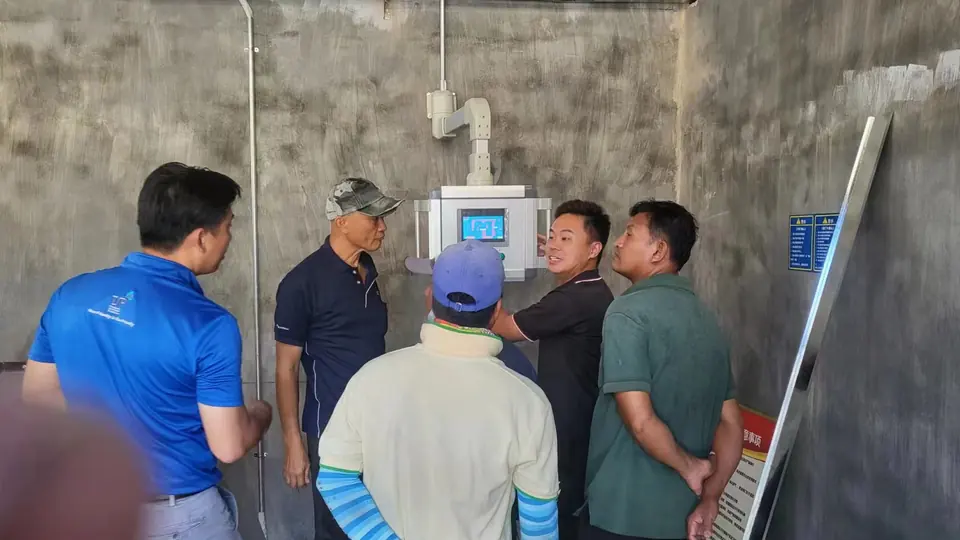
Commissioning photographs from our Southeast Asian projects document intact 304/316L stainless water tanks, dual pumping skids, twin chemical dosing setups, concrete wheel-guide lanes, and overhead telescopic tracks operating continuously under heavy agricultural wash cycles without rust drift or premature seal failure.
06Can prospective buyers inspect anonymized CAD layouts or video walkthroughs under NDA?
Yes. Qualified commercial swine groups, poultry complexes, and EPC contractors can submit project parameters via our RFQ form to schedule a confidential engineering walkthrough of anonymized commissioning videos, CAD trench layouts, and HMI data-logging records prior to finalizing equipment selection.
07Why did the Malaysian commercial swine group reorder the thermal drying room four times?
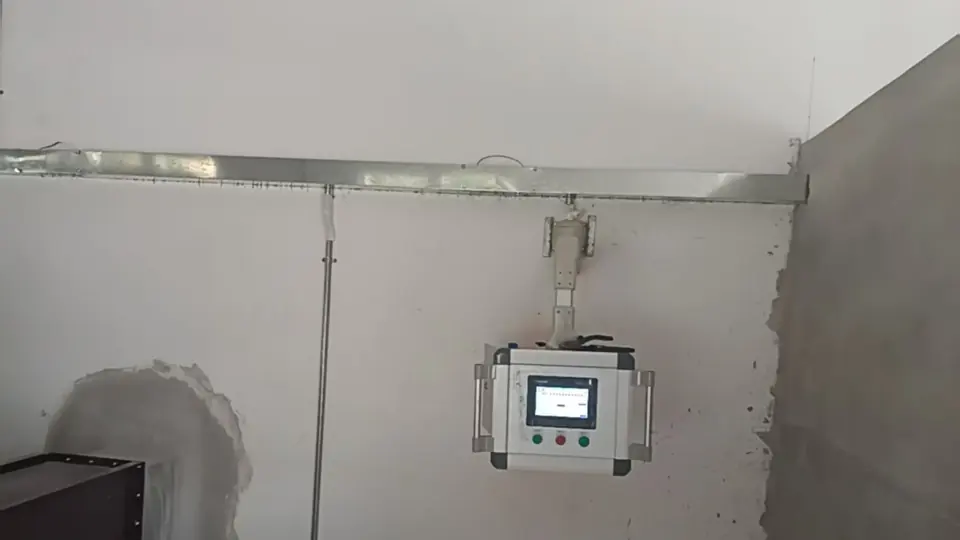
After validating Unit #1's rapid cycle completion, cold-spot elimination around wheel wells, and one-touch PLC cycle logging in year-round tropical humidity, the client standardized on the identical BioFortis 700–800 kW thermal drying architecture across three consecutive expansion installations at sister sites.
08How do BioFortis engineers collaborate with local civil contractors on overseas projects?
Within 5 business days of contract confirmation, BioFortis issues DWG and PDF foundation, drainage trench slope, overhead beam load, and 380V/60Hz electrical conduit drawings so local civil crews complete site preparation and equipment anchoring accurately prior to sea container arrival.
09Are overseas installations limited to Southeast Asia or supported globally?
While our featured field photo galleries document Southeast Asian swine deployments, BioFortis engineers custom 50Hz/60Hz electrical builds, diesel/gas/electric thermal packages, and ambient-stable PCR systems for livestock farms and EPC partners across Latin America, Africa, Europe, and Asia-Pacific with remote commissioning.
10How can our group request a tailored proposal modeled after the Vietnam or Malaysia deployments?
Submit your daily trailer volume, target trailer length, local grid voltage, and preferred boiler or drying fuel through the quotation form below—our projects engineering desk responds within 12 business hours with benchmark sizing, preliminary CAD recommendations, and FOB/CIF budget estimates.