Integrated Farm Biosecurity: Wash · Disinfect · Dry · Detect
Off-Site Livestock Truck Wash, Disinfect & Thermal Drying Hub
S02 · 12–40+ Trucks/Day Hub

Off-Site Livestock Truck Washout Station

Clean trucks should never back out over dirty concrete. We build 1-way 20 MPa wash and 700–800 kW drying hubs for 12 to 40+ trailers daily.

12–40+ / DayMulti-Tier Trailer Capacity
4-Bay Flow1-Way Dirty-to-Clean
20 MPa + 70°C+Automated Wash & Bake
<14 m TrucksFull Live-Haul & Feed Rigs
Biosecurity Solution

Strict One-Way Dirty-to-Clean Flow

BioFortis builds off-site livestock truck washout stations routing vehicles forward through four bays: IP67 chassis wash, 20 MPa telescopic interior and touchless exterior wash, 700–800 kW 70°C+ thermal drying, and clean-zone PCR swab clearance.

Last reviewed: November 2026 · Engineering Specification Rev. 2.5
12–40+ / DayScalable Fleet Throughput
>55%Faster Washout Turnaround
30–45 min70°C+ Thermal Drying Cycle
3 LanesSingle Telescopic Arm Span
4-Stage System Lineup

Four Drive-Through Bay Stages

Trailers move forward stage by stage so clean tires never cross dirty aprons.

Bay 1 · Undercarriage Pre-Scrape & IP67 Chassis Wash
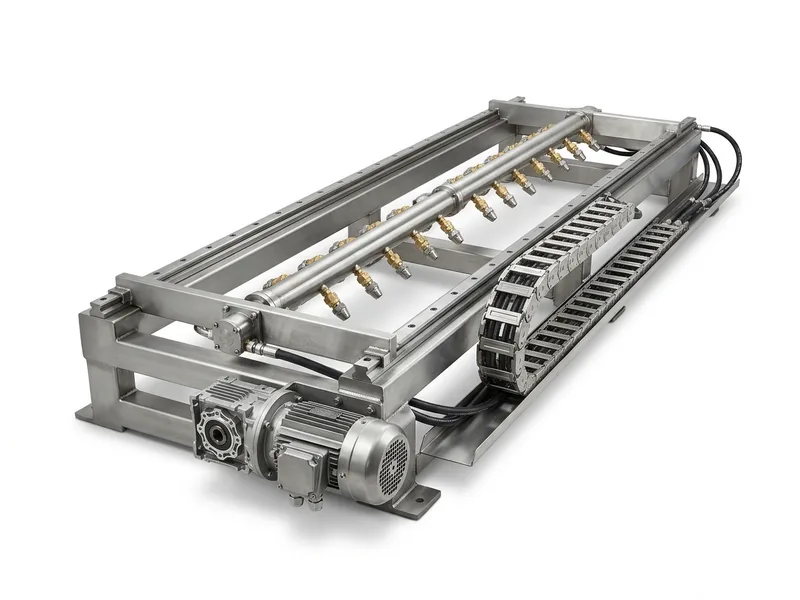
Pre-Scrape & IP67 Chassis Wash

Automatic 15–20 MPa undercarriage washer (60 L/min) strips heavy mud and organic bedding from axles, tires, and frame rails.

15–20 MPa | 60 L/min | IP67 0.37 kW | SS Drag Chain

View P03 Chassis Wash
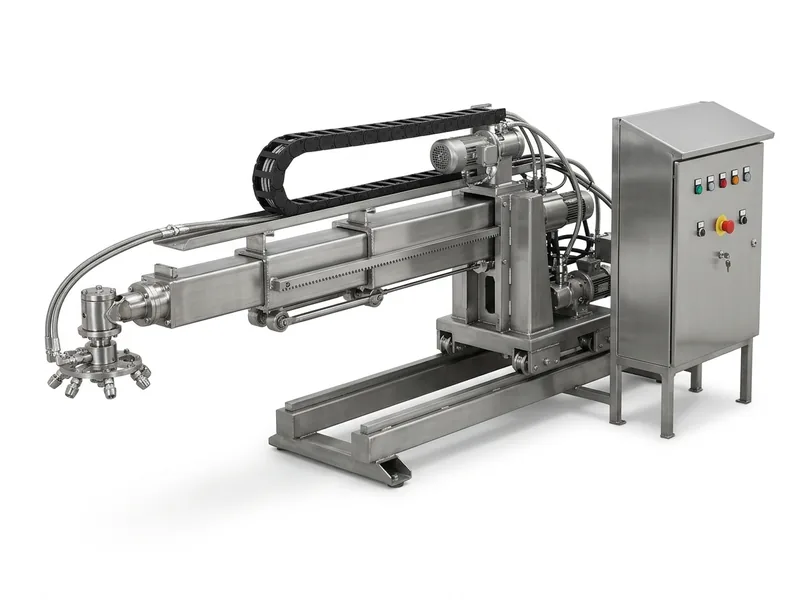
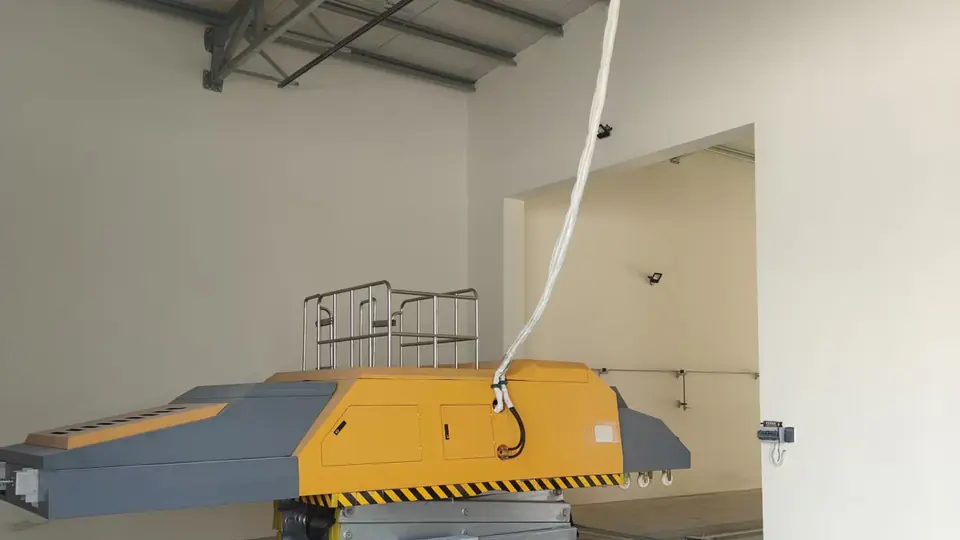
Bay 2A · Interior 3-Lane Telescopic Trailer Washer

3-Lane Telescopic Trailer Washer

12 m reach, 3.5 m lift 6-hole 360° rotating nozzles scrub multi-deck hog trailer interiors from a clean glass control cabin.

20 MPa | 120 L/min | 12 m × 3.5 m | 3 Lanes

View P01 Interior Washer
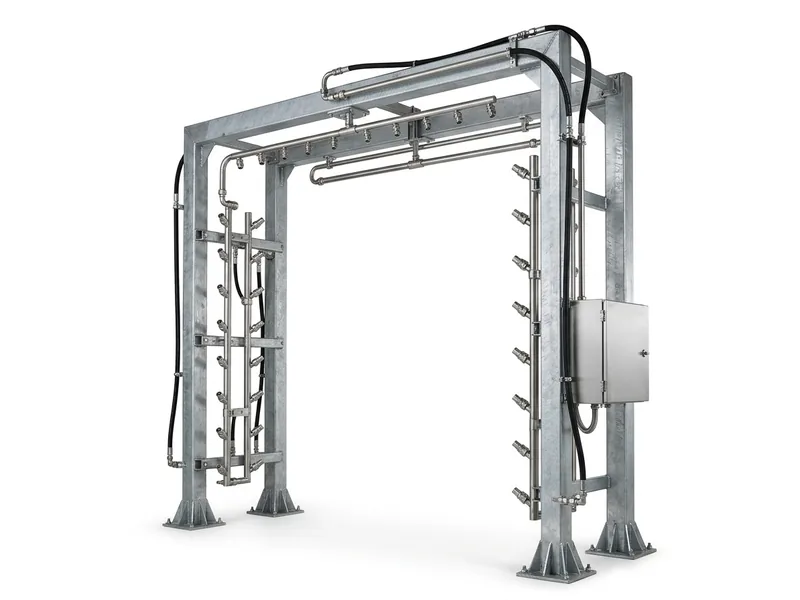
Bay 2B · Exterior 20 MPa Touchless Exterior Gantry

20 MPa Touchless Exterior Gantry

Full anti-corrosion arch (<4,200 mm clearance) performs 2-step alkaline foaming, 20 MPa rinsing, and virucidal spraying with zero brushes.

20 MPa | <4,200 mm Clearance | 4.22 kW Touchless

View P02 Exterior Gantry
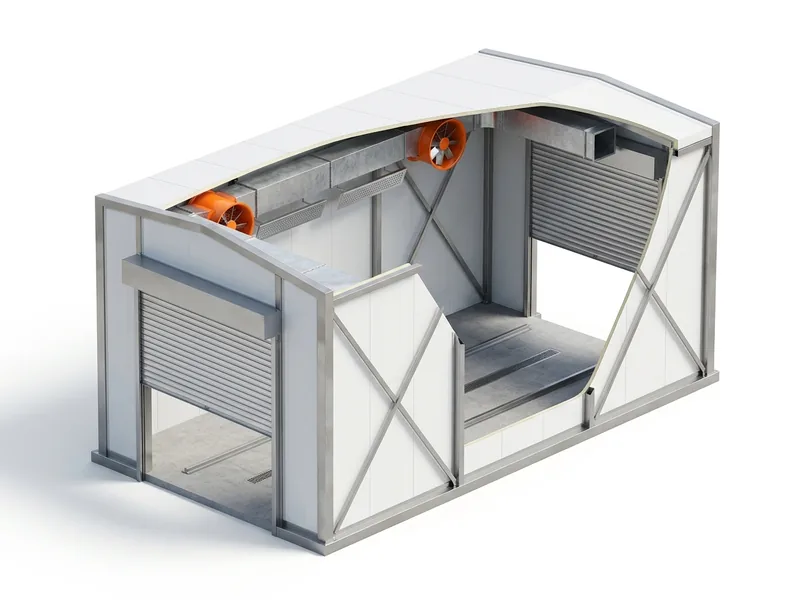
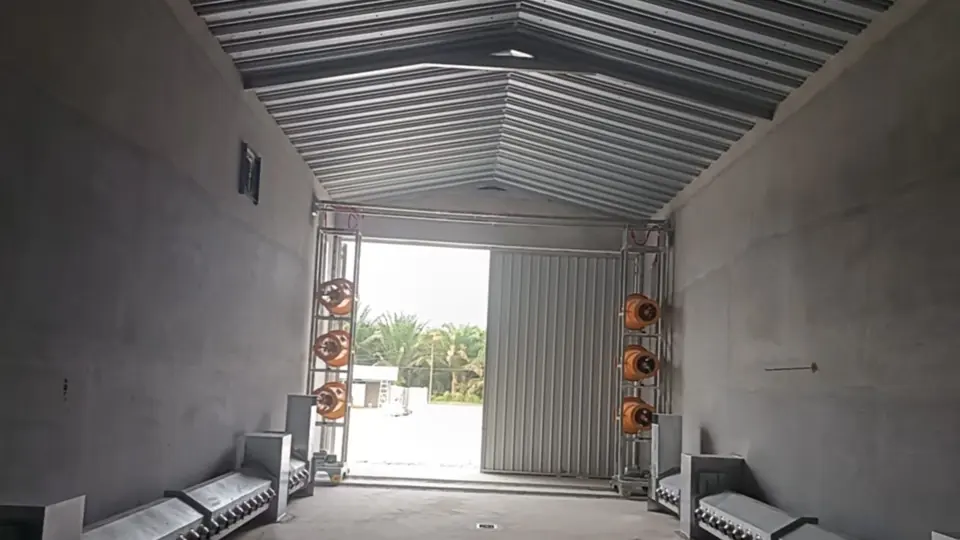
Bay 3 & 4 · Dry & Release 700–800 kW Thermal Drying & Swab

700–800 kW Thermal Drying & Swab

Differential hot-air circulation dries trailers under 14 m to 70°C+ before clean-zone inspection and optional ASFV PCR clearance.

700–800 kW | 40 kW Fans | 85–95% RH Proven

View P05 Drying Room
How It Works

Matching Wash Speed to Drying Output

One 3-Lane Telescopic Arm Cuts CAPEX

One 3-Lane Telescopic Arm Cuts CAPEX

Buying three separate interior washers inflates equipment and service bills. One P01 telescopic arm glides across up to 3 parallel bays on an overhead rail, supplied by a 60 kW IoT pump skid at 20 MPa and 120 L/min.

3 LanesShared Overhead Rail
60 kW IoT20 MPa / 120 L/min Skid
Dryers Sized to Keep Wash Bays Moving

Dryers Sized to Keep Wash Bays Moving

Waiting three hours for wet trailers to air-dry at 90% humidity backs up your whole yard. Matched 700–800 kW drying chambers evaporate water and hold 70°C+ in 30 to 45 minutes with automatic PLC logs.

30–45 minFull Drying Cycle
85–95% RHTropical Proven
Civil Drawings Before Pouring Concrete

Civil Drawings Before Pouring Concrete

Local crews build faster when wheel guides, sediment-trap trenches, and clean exit aprons come drawn to scale. We deliver DWG/PDF turning radii, drainage trenches, and 10–20 m³ buffer tank plans in 5 business days.

5-Day CADCivil & Utility Drawings
1-Way FlowZero Clean/Dirty Crossing
System Layout

Four Synchronized Yard Zones

Dirty Apron & Pre-Scrape Zone

Coarse bedding removal and sloped sediment-trap concrete apron keep heavy solids out of high-pressure trenches.

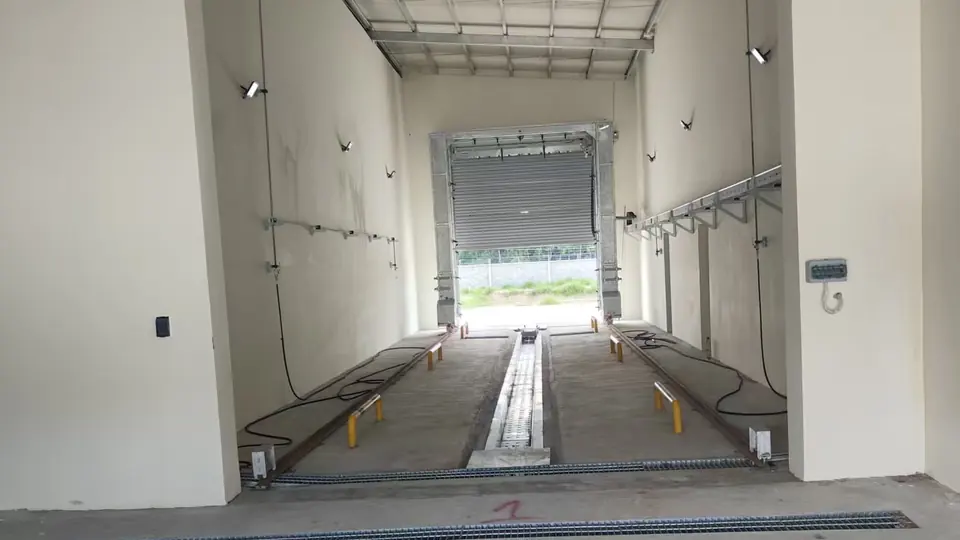
20 MPa Automated Wash Hall

Houses P03 IP67 chassis wash, P01 3-lane telescopic arm, P02 touchless gantry, and dry P04 60 kW pump room.

Off-Site Livestock Truck Wash, Disinfect & Thermal Drying Hub structural breakdown
700–800 kW Insulated Drying Bays

Drive-through thermal chambers with dual-side fan towers and floor-level ducts drive trailers to 70°C+.

Clean-Zone Swab & Release Gate

Dedicated clean exit yard with visual inspection and optional UPN0102/0104 ASFV PCR clearance ticketing.

Sizing a 12, 24, or 40+ Truck/Day Hub? Send land dimensions and daily truck peaks for a 4-bay CAD layout and FOB/CIF quote within 12 hours.
Technical Specifications

Hub Equipment Sizing Matrix

Recommended BioFortis equipment ratios, utility loads, and bay counts across three commercial hub tiers.

ParameterSpecificationNote
12 Trucks/Day Hub (Tier 1)1 Wash Lane + 1–2 P05 Drying Bays1×P01 + 1×P02 + 1×P03 + 1×P04 (60 kW) + 1–2×P05 (40 kW elec)
24 Trucks/Day Hub (Tier 2)2 Wash Lanes + 2–3 P05 Drying Bays1×P01 (2-lane rail) + 2×P02/P03 + 1–2×P04 + 2–3×P05
40+ Trucks/Day Hub (Tier 3)3 Wash Lanes + 4 P05 Drying Bays1×P01 (3-lane rail) + 3×P02/P03 + 2×P04 + 4×P05 + UPN0104
Water Buffer & Pre-Treatment10–20 m³ Tank (Up to 40 m³ Tier 3)Softener + coarse solids traps + 120 L/min per active skid
Thermal & Electrical UtilitiesAC 380V 3-Phase (50/60Hz)60 kW per wash skid; 40 kW fans + 700–800 kW heat per dryer
Target Trailer EnvelopeLength <14 m | Height <4,200 mmMulti-tier hog trailers, air-filtered trucks & bulk feed rigs
Sizing & Site Prep

Calculate Bays, Water Buffer & Power

Interactive Engineering Tool

Truck Wash & Thermal Drying Hub Sizing Calculator

Estimate required wash lanes, 700–800 kW drying chambers, daily water demand, and 380V electrical load for your biosecurity center.

Recommended Wash Bays (20 MPa)--
Recommended Drying Rooms--
Estimated Wash Water Demand--
Estimated Connected Load--
“Separate dirty and clean tire tracks forever, then hand every 20 MPa washed trailer straight into a 70°C+ drying bay.”
BioFortis Turnkey Hub Engineering · 1-Way Dirty-to-Clean Standard
Common Field Problems

Four Expensive Hub Design Mistakes

Field Problem

Dead-End Bays Forcing Clean Trucks to Reverse Over Mud

How BioFortis Solves It

Drive-through 4-bay CAD architecture enforces strict one-way dirty-to-clean progression from entry apron to clean yard.

Field Problem

Building Wash Bays Without Matched Thermal Drying

How BioFortis Solves It

Co-sizing P05 700–800 kW dryers to wash-lane takt time prevents wet-trailer queues during rainy tropical seasons.

Field Problem

Manure Solids Plugging Underground Drain Lines

How BioFortis Solves It

Sloped open trenches with accessible coarse sediment baskets capture bedding before effluent enters site drains.

Field Problem

Multi-Vendor Finger-Pointing on Controls & Interfaces

How BioFortis Solves It

One BioFortis engineering team supplies unified wash, pump, dosing, drying, and PCR hardware with single-point accountability.

Delivery Process

Five Steps to Hub Handover

01

Fleet & Land Survey

Evaluate daily truck count, trailer length (<14 m), climate humidity, and plot dimensions.

Day 1–2
02

4-Bay Civil & Utility CAD

Deliver traffic flow, concrete trench, overhead rail, drying bay, and 380V wiring drawings.

Day 3–7
03

Synchronized Factory FAT

Test 20 MPa pumping skids, gantries, telescopic arms, and drying PLC cabinets before dispatch.

Week 3–6
04

Consolidated Sea Containers

Pack complete hub hardware and 12-month OEM spare kits for FOB/CIF ocean shipment.

Week 6–7
05

Commissioning & First-Truck Run

Complete on-site/remote installation startup, thermal mapping, and bilingual SOP handover.

On-Site
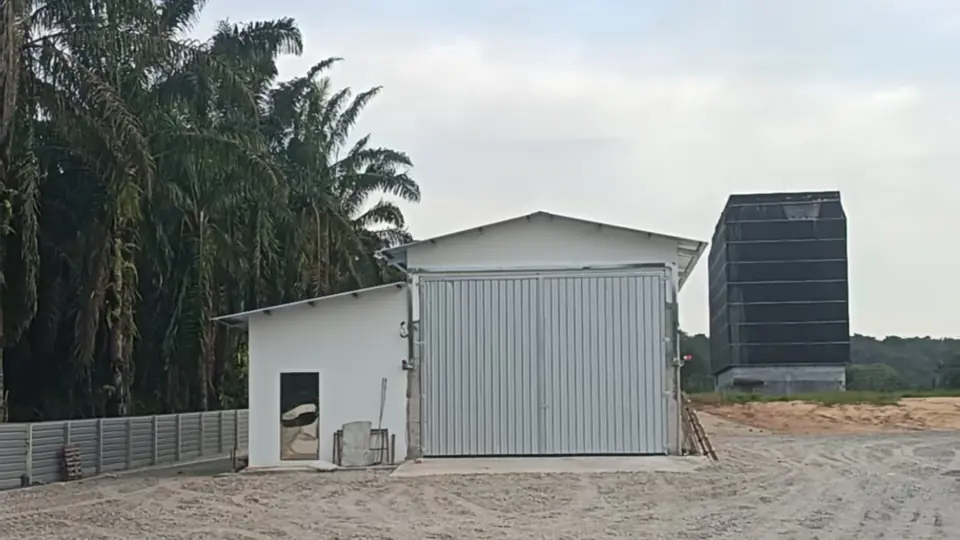
Malaysia Drying Hub & Vietnam Wash Bays
Field Track Record

Malaysia Drying Hub & Vietnam Wash Bays

One Malaysian Commercial Swine Production Group reordered four consecutive 700–800 kW P05 drying rooms for Perak operations, while 3 commercial washout centers run daily in Vietnam.

Testing & Export Docs

FAT Logs, Civil CAD & Export BOM

DOC-01

Wash & Dry Full FAT Package

Factory pressure-test logs, safety trip verifications, and drying PLC test records.

Included
DOC-02

Civil, Trench & Utility CAD

DWG/PDF traffic layouts, wheel guides, overhead rail loads, drying panels, and 380V schematics.

Included
DOC-03

English 4-Bay Operator SOP

Bilingual training manuals covering wash cycles, thermal hold logging, and swab clearance.

Included
DOC-04

Customs & 12-Month Hub BOM

Export clearance paperwork plus consolidated 12-month wear parts for pumps, nozzles, and fans.

Included
10 Common Questions

Common Questions on Truck Wash Hubs

01What is a livestock truck washout station and why should it be built off-site?
An off-site livestock truck washout and drying hub is a dedicated decontamination facility placed 3+ km away from pig farms so external slaughterhouse and feed trucks shed mud, manure, and pathogens before ever approaching clean farm perimeters.
02How does one-way dirty-to-clean flow prevent recontamination after washing?
Trailers enter the dirty apron, drive straight through undercarriage wash (Bay 1), interior/exterior wash (Bay 2), and thermal drying (Bay 3), and exit into a physically isolated clean yard without ever reversing across dirty wash water.
03How much land footprint is needed for a 12–40+ truck/day wash-and-dry hub?
Footprint scales with lane count and semi-trailer turning radii; each automated wash bay requires roughly 18 m × 5.5 m plus an aligned 15–16 m drying bay and drive-through entry/exit aprons. BioFortis prepares exact plot-fit CAD in 5 days.
04How long does a full wash, disinfect, and thermal dry cycle take per hog trailer?
Automated 20 MPa interior/exterior/chassis washing cuts washout time by over 55% (typically 15–25 minutes total), followed by a 30–45 minute 70°C+ thermal drying cycle for predictable daily dispatch.
05How many wash lanes and drying rooms are needed for 24–40 livestock trucks per day?
A 24-truck/day center typically pairs 2 wash lanes (sharing one 2-lane P01 telescopic arm) with 2–3 P05 drying rooms, while a 40+ truck/day regional hub uses 3 wash lanes (1 shared P01 arm) and 4 P05 drying chambers.
06Can the hub handle both multi-layer hog trailers and bulk feed tankers?
Yes. The P02 touchless gantry (<4,200 mm clearance), P03 IP67 chassis washer, and P05 thermal drying room (<14 m length) accommodate multi-tier hog haulers, air-filtered breeding trucks, and bulk feed tankers.
07What electrical power and water storage are required for a turnkey hub?
Each P04 main wash skid draws 60 kW (AC 380V 3-phase, 50/60Hz) backed by a 10–20 m³ buffer tank, while each P05 drying room draws up to 40 kW electrical power for circulation fans plus 700–800 kW thermal output.
08How does the station manage heavy manure wash water and solids?
Bay 1 pre-scrape and sloped concrete wash trenches incorporate coarse solids capture baskets so bedding and heavy manure are separated before effluent flows into site settlement ponds.
09How does Bay 4 PCR swab verification work before releasing a truck?
Once a trailer cools down from the 70°C+ drying bay, staff take environmental deck swabs and run a <45-minute closed-cartridge ASFV PCR check on UPN0102/UPN0104 to issue a printed clearance ticket.
10Can we start with 1 wash lane and 1 drying room and expand later?
Yes. BioFortis designs modular civil layouts and overhead rails so you can launch with 1 wash lane and 1 drying bay, then bolt on Lane 2/3 and additional P05 chambers as your fleet grows.
Direct Engineering Desk · 12-Hour Response

Request a Quote & CAD Layout

Dual-channel submission (Web3Forms + direct server backup). Share your herd scale, truck volume, or utility specs for a tailored CAD layout and FOB/CIF quotation.